Aerial
Thermal Services
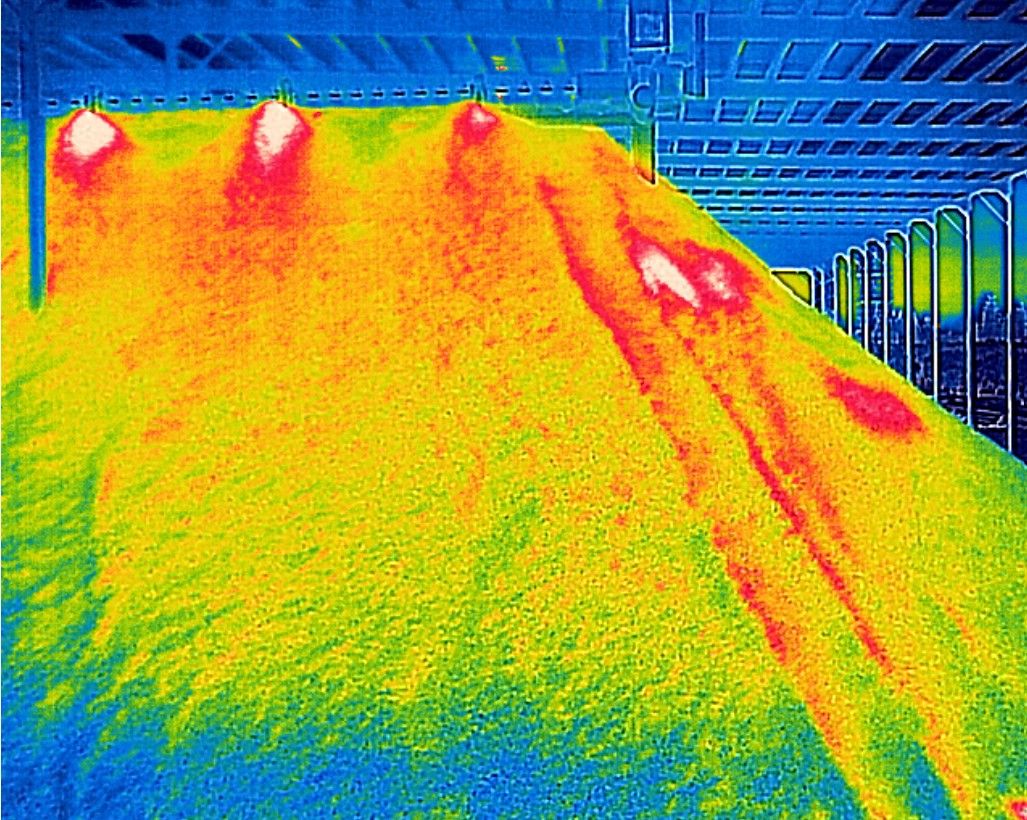
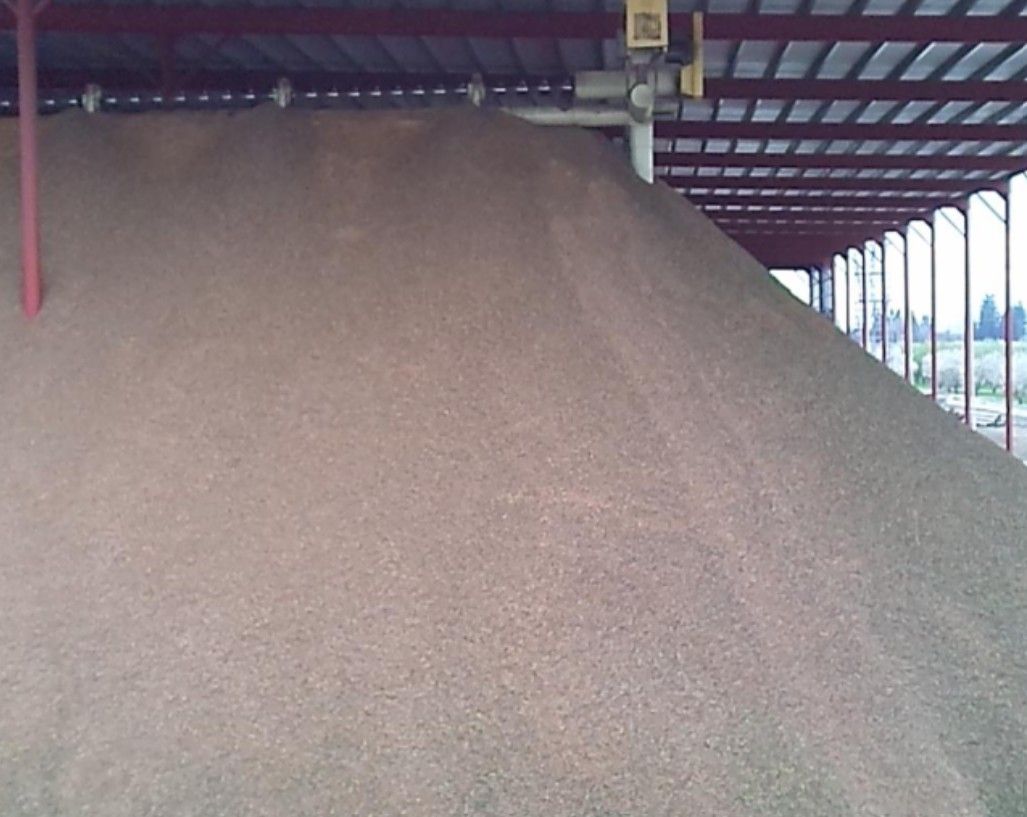
Pile Reports
See what your eyes cannot with spot temperature readings.
Protect your product with continuous temperature monitoring.
Aerial
Thermal Services
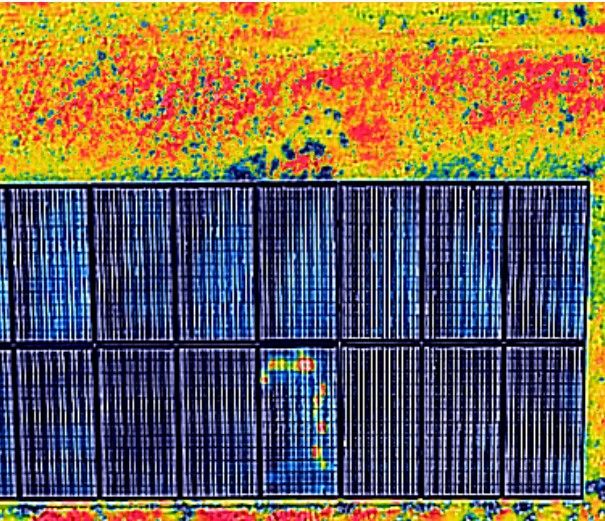
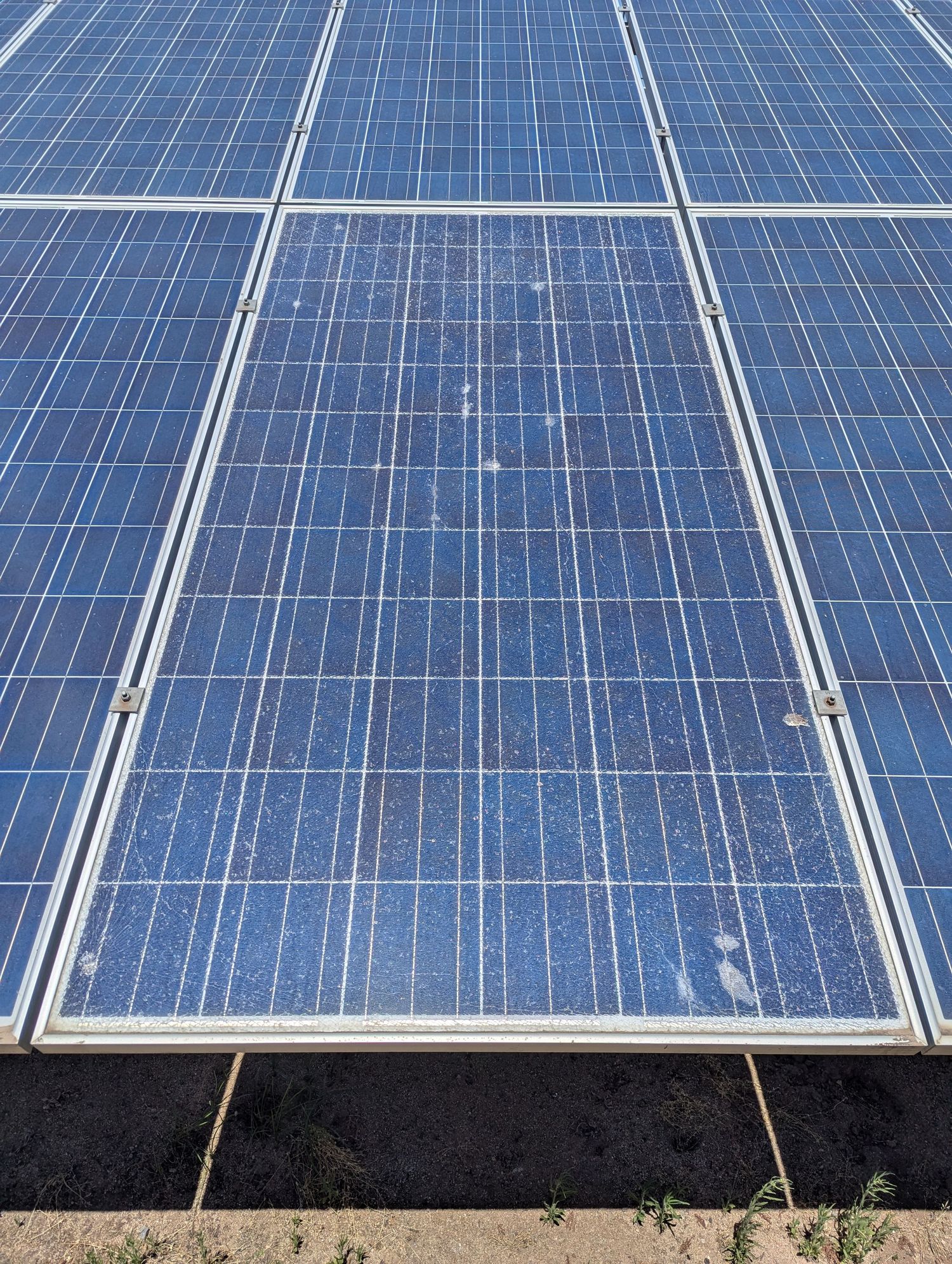
Solar reports
Find degraded, damaged, failing, or hot panels.
Prevent overheating, melting, fire.
Protect your equipment with continuous temperature monitoring.
Thermal & Agriculture
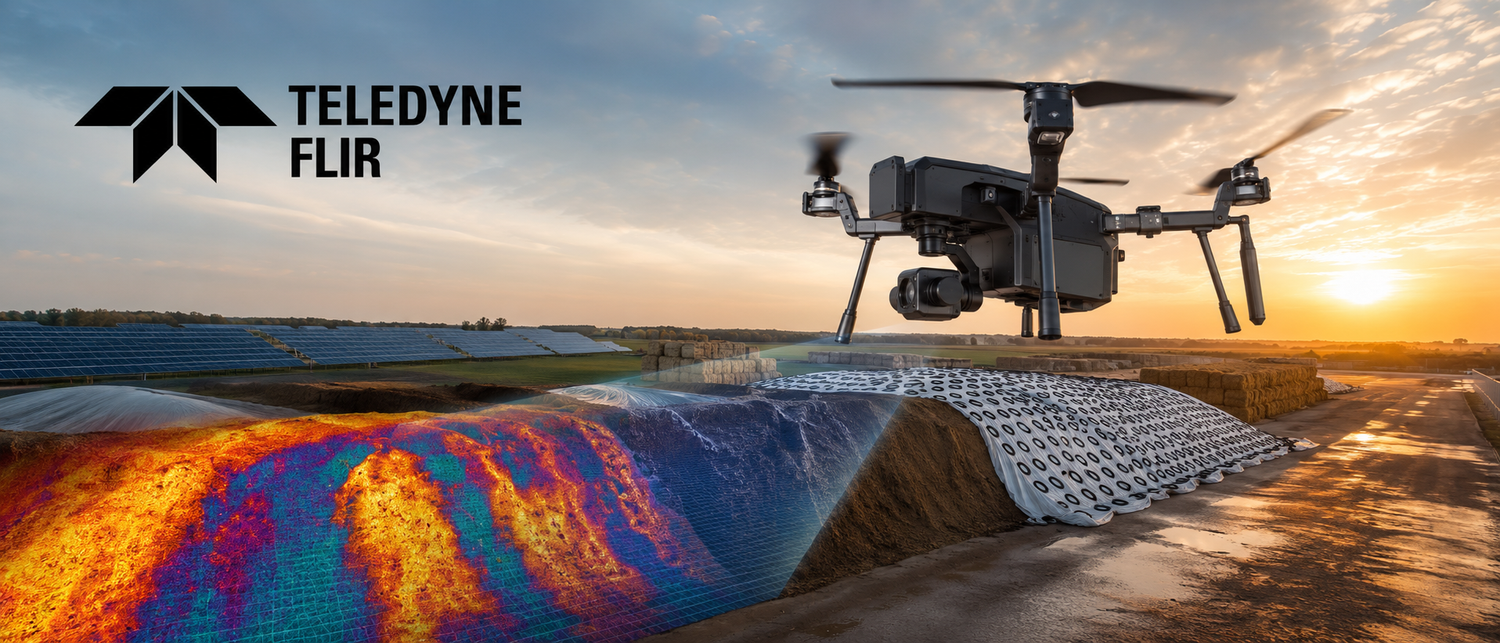
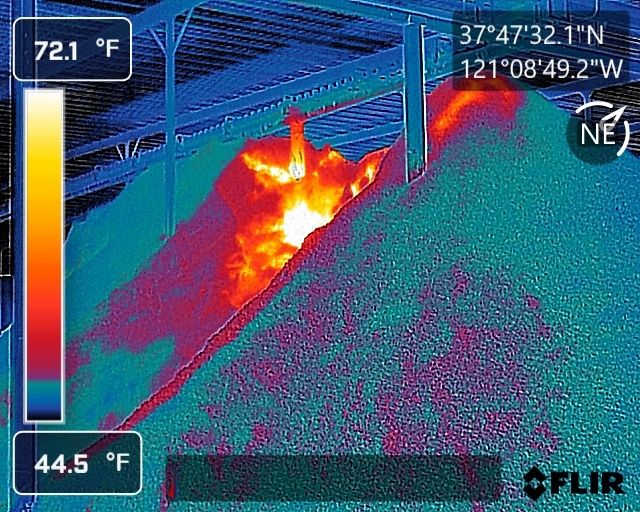
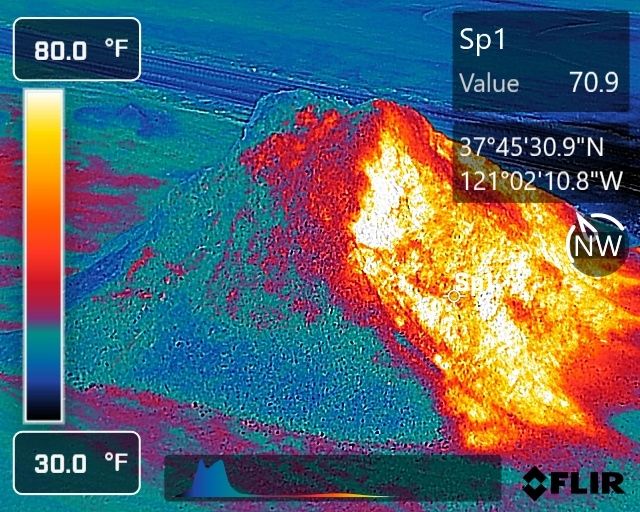
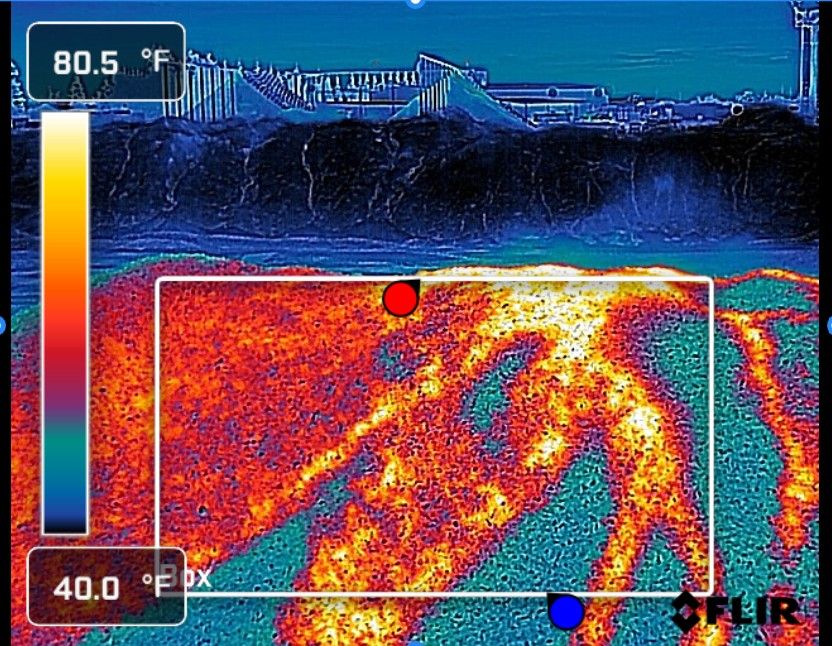
Giving growers and plant operators a fast, practical way to see heat problems before they turn into expensive ones. When managing piles, regular thermal scans can help flag unusual heat so your team can inspect early instead of waiting for steam, odor, smoke, or flame. This is where a radiometric thermal drone has a real advantage. Instead of guessing where to check, we scan the whole pile and give a calibrated temperature reading across the image, letting an operator see exactly where one area is running hotter than the rest.
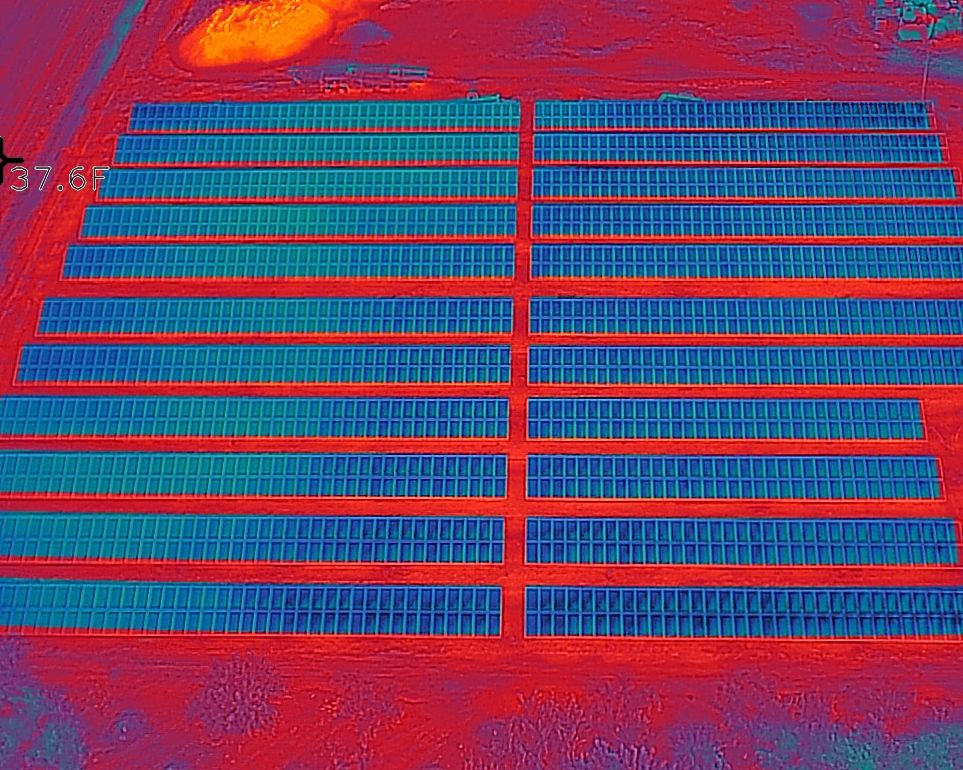
The same approach applies to ground-mount solar fields. The National Renewable Energy Laboratory (NREL) says data monitoring alone has inherent inaccuracies, which is why periodic inspections like aerial thermal-imaging inspections are used. NREL says those inspections can detect string-, module-, and sub-module faults, while also helping with proactive detection of hot spots and possible fire risks. The U.S. Department of Energy likewise notes that aerial thermal infrared imaging can reveal cells with different temperatures that indicate a problem. For farm solar sites, that means less guesswork, faster troubleshooting, and a clearer map of where boots on the ground should go first.
The real benefit: Thermal drones are another set of eyes, used to protect product, equipment, labor, and uptime. The value is combining a farmer’s judgment with data, gathered quickly, safely, and repeatably.
Thermal monitoring is good management.